
2026 January – 01
How to Develop the Situational Awareness of Jason Bourne
By Alan Mann
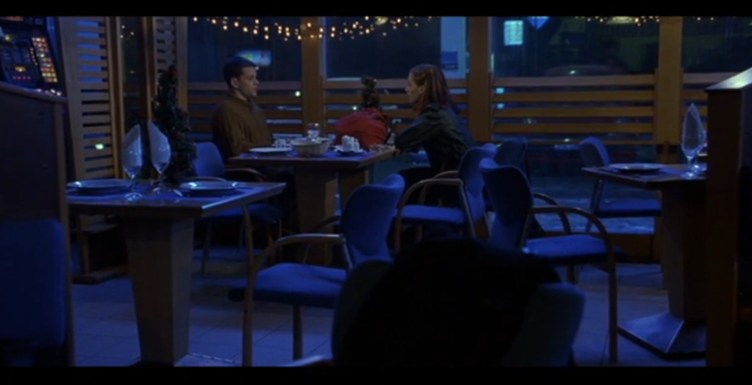
There’s a memorable moment at the start of The Bourne Identity. Jason Bourne sits in a diner, bewildered by his own identity, yet acutely aware of details others would miss. He notices exits, people’s movements, the car number plates, the waitress is left-handed, and subtle cues in his environment. While Bourne is fictional, the skill he demonstrates situational awareness is very real, and it can be cultivated by anyone.
What Is Situational Awareness?
At its core, situational awareness is simply knowing what is happening around you. It is not paranoia, nor is it about staring suspiciously at everyone you encounter. Rather, it is about being alert, mindful, and prepared. Soldiers, police officers, and security professionals are trained in it, but civilians benefit just as much. A few seconds of foresight can make the difference between safety and danger.
Peripheral Vision and the “Thousand-Yard Stare”
One of the most underrated tools in developing awareness is peripheral vision. Instead of fixating on a single point, allow your eyes to relax and take in the wider scene. This “thousand-yard stare” is not about looking at nothing, it is about absorbing everything. By scanning broadly, you notice anomalies: behaviours or movements that don’t fit the norm. These differences are often the first signs of trouble.
The OODA Loop: Observe, Orient, Decide, Act
Air Force strategist John Boyd developed the OODA Loop… Observe, Orient, Decide, Act… as a framework for rapid decision-making. In any confrontation, the person who cycles through this loop fastest gains the advantage.
- Observe: Take in your surroundings calmly.
- Orient: Place what you see into context, what is normal here, and what is not?
- Decide: Formulate a plan based on what you’ve observed.
- Act: Execute swiftly and decisively.
Situational awareness is not just about seeing; it is about interpreting and responding.
Condition Yellow: Relaxed but Alert
Jeff Cooper’s colour code system is a practical way to gauge awareness:
- White: Unaware, enclosed in a perceived safe zone.
- Yellow: Relaxed but alert, scanning surroundings.
- Orange: An anomaly spotted.
- Red: A threat identified – prepare to act.
- Black: Conflict is unavoidable.
For most daily life, Condition Yellow is ideal. You are calm, not tense, but attentive to sights, sounds, and even smells that may signal change.
Practical Tips
- Put the phone away: Nothing destroys awareness faster than staring at a screen.
- Position wisely: Sit or stand where you can see exits and minimise blind spots.
- Establish baselines: Know what “normal” looks like in each environment.
- Spot anomalies: Focus on what doesn’t fit the baseline.
- Have a plan: Decide in advance how you would respond if something went wrong.
Why It Matters
Criminals, like predators in nature, target those who appear vulnerable. By practising situational awareness, you project confidence and readiness. Carrying simple tools, such as a tactical torch, can enhance your visibility and deter threats. More importantly, awareness is preventative, it reduces the likelihood of ever needing to fight.
Final Word
Situational awareness is not about living in fear. It is about living with presence. By training yourself to observe, orient, and act, you not only improve your safety but also enrich your daily life. Like Jason Bourne, you may begin to notice details others miss… but unlike him, you will use them to stay safe, make better decisions, and remain firmly in control of your own story.